Keep Your Home Powered Through Any Outage
Power failures rarely happen at convenient times. A storm rolls through, the grid goes down, and suddenly the lights click off, the fridge goes quiet, the Wi‑Fi drops, and that medical device or work laptop you rely on is running on borrowed battery time. The stress adds up quickly, especially if you are trying to keep kids calm, protect a basement from flooding, or stay connected for remote work.
Whole-house generators are designed to remove that anxiety. When the utility fails, they automatically start, switch your home to generator power within seconds, and keep the systems you rely on every day running. To get real long-term peace of mind, though, it helps to understand what whole-house generators actually do, how they are sized, which fuel types make sense, and how installation and maintenance work. At Generator Vault, we focus on these questions every day so homeowners can make confident, informed decisions.
What a Whole House Generator Really Does
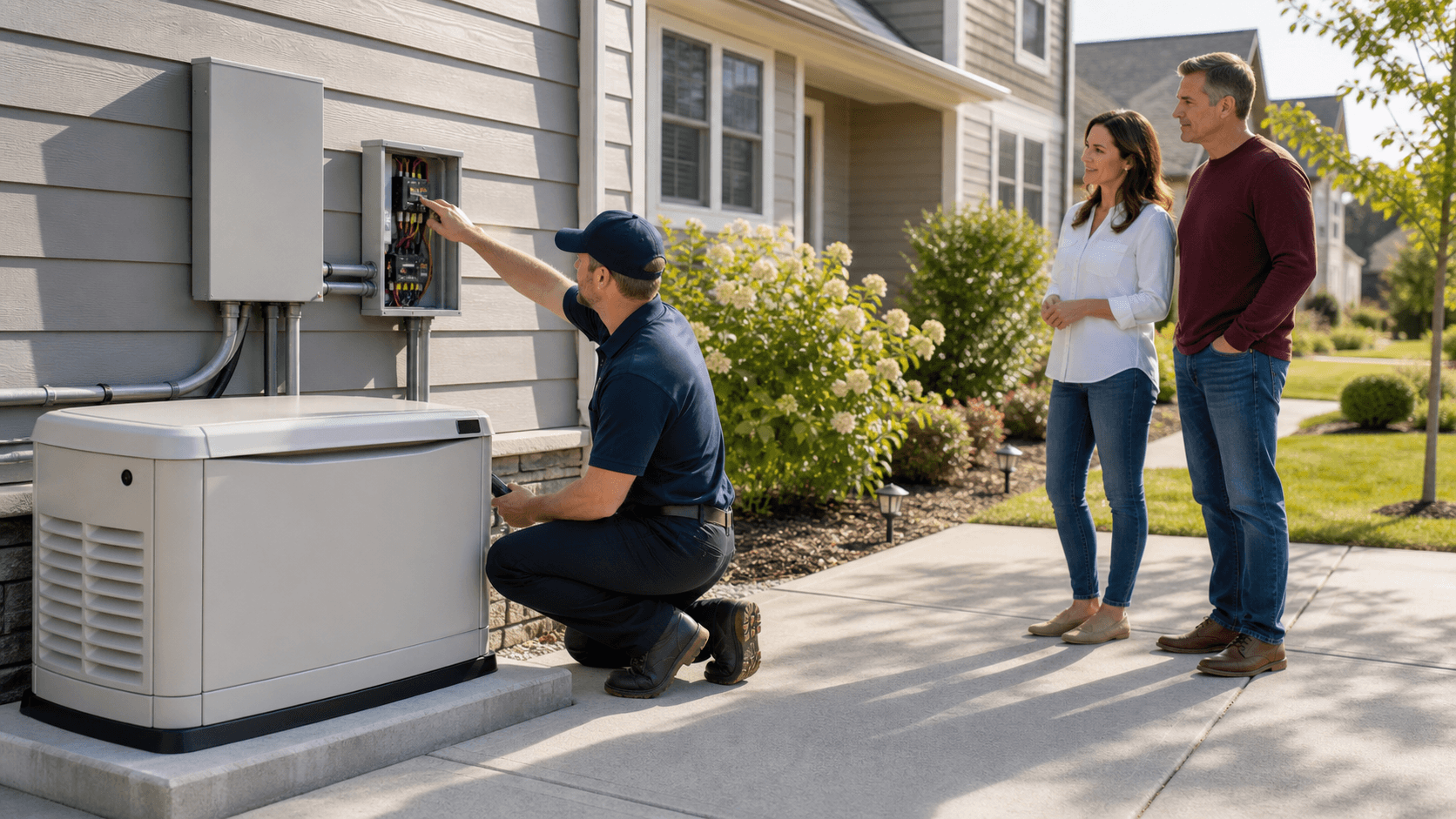
A whole-house generator is a permanently installed backup power system that connects directly to your home's electrical panel through an automatic transfer switch. Unlike a portable generator that you roll out, fuel manually, and plug into a few extension cords, a whole-house system is hardwired and designed to start by itself when it senses a loss of utility power. When the grid comes back, it transfers your home back to normal power and shuts itself off.
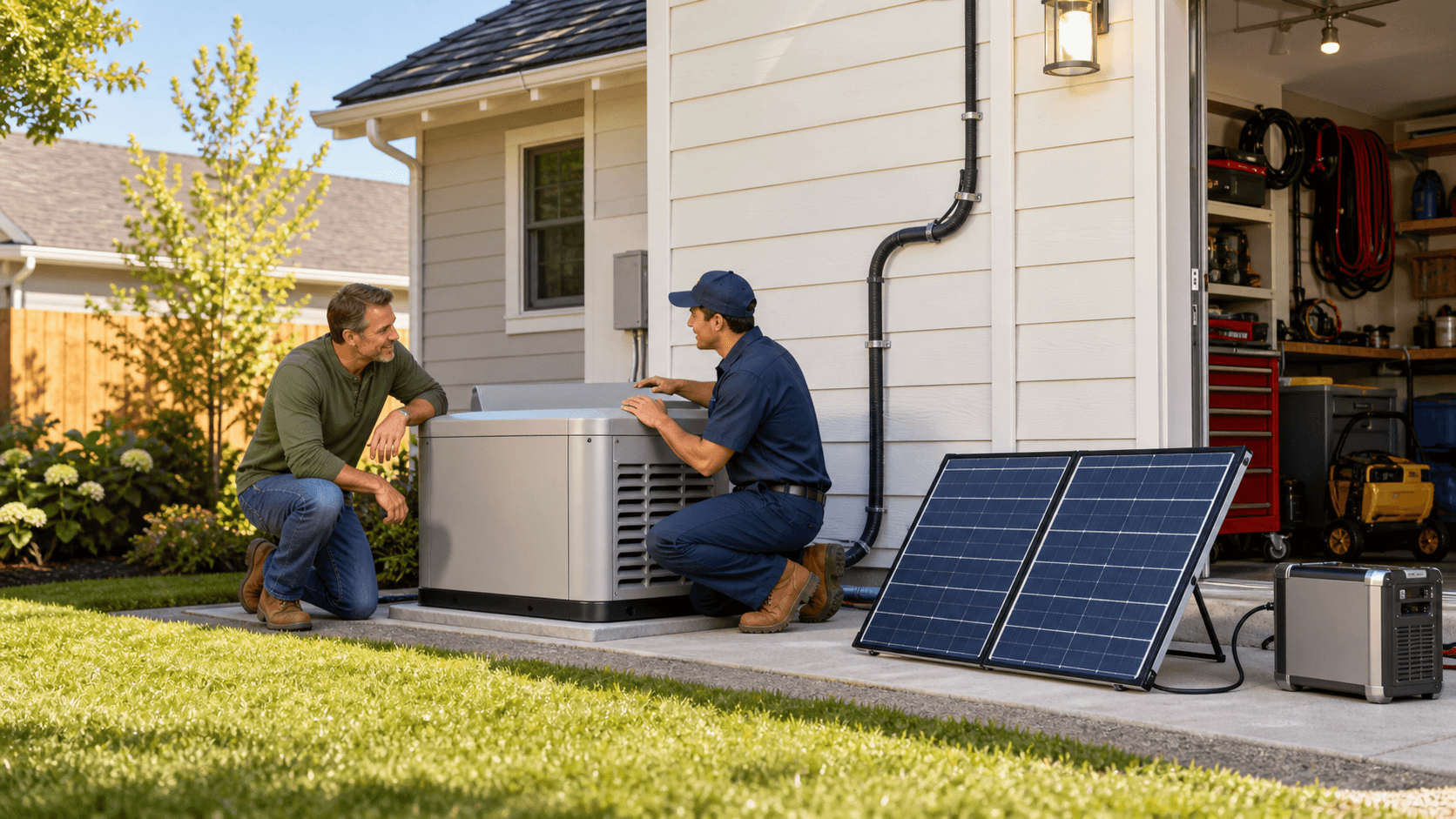
The main pieces are straightforward. You have the generator unit outside, typically on a pad near your home. You have the automatic transfer switch, which constantly monitors incoming utility power. You have a steady fuel source, often natural gas from your utility line or a propane or diesel tank. Finally, everything ties into your electrical panel so selected circuits or your entire panel are backed up.
What "whole house" means in practice depends on your home and goals. Many homeowners back up HVAC, refrigeration, well or sump pumps, lighting, outlets in key rooms, garage doors, security systems, and home office equipment. In some cases, a partial backup design makes more sense. For example, you might choose to power essentials like the furnace, fridge, a few lighting circuits, and internet equipment but leave out high-demand items like an electric range or hot tub to keep generator size and cost more manageable.
Key Benefits of Whole House Generators for Homeowners
The first benefit is reliability and comfort. When the grid fails, heating and cooling can keep running, food stays cold, and if you are on a well, you still have water pressure. Instead of scrambling for flashlights and ice, you move through the outage with your daily routines mostly intact. This becomes especially important during long outages, when a few hours of inconvenience can turn into days of discomfort.
Whole-house generators also add a layer of safety and protection. If your basement depends on a sump pump, having reliable power can help reduce the risk of flooding when it is raining hardest. Security systems, outdoor lighting, and cameras stay online. You are less tempted to rely on candles or risky electrical setups, which can introduce fire hazards. Sensitive electronics like computers and networking equipment can also benefit from the cleaner, more stable power modern standby generators provide.
There is a financial side to all of this as well. Avoiding spoiled food, last-minute hotel stays, or lost income from home-based work adds up quickly. For homeowners who work remotely or run a home business, the ability to keep a home office powered can be especially valuable. A permanently installed system can also be a selling point when buyers compare properties, since it signals that the home is prepared for power interruptions.
Choosing the Right Size and Fuel Type for Your Home
Sizing a whole-house generator starts with a clear look at your loads. We recommend listing out the circuits and appliances you consider essential during an outage. This often includes:
- HVAC equipment
- Refrigerator and freezer
- Well pump or sump pump
- Kitchen outlets and microwave
- Home office, internet, and key lighting circuits
From there, consider large loads like electric ranges, water heaters, or EV chargers. Running everything at once requires a much larger generator, while a thoughtful plan that staggers usage or leaves some non‑essentials off backup power can reduce size. Oversizing can lead to higher upfront and operating costs, while undersizing can leave you short of power when you need it most.
Fuel type is the next big decision. Each option comes with trade‑offs many homeowners weigh:
- Natural gas, if available, provides continuous fuel without on‑site storage, and is common in many neighborhoods.
- Propane works well in areas without gas service, relies on a tank on your property, and can be a flexible off‑grid option.
- Diesel is often used where high power output is needed and can be favored in some rural or commercial settings.
Noise levels, local fuel availability, and how often you expect outages all factor into the choice. Some homeowners prefer a system sized to power every circuit and forget about load management. Others are comfortable with an "essentials first" approach that backs only critical loads. At Generator Vault, we curate generator options and backup systems to match these different lifestyles so it is easier to narrow in on what fits your home and expectations.
Installation, Maintenance, and Safety Essentials
Because a whole-house generator integrates directly with your electrical and fuel systems, professional installation is very important. A licensed electrician and qualified installer will help identify a suitable location with proper clearances and ventilation, handle permits, and ensure everything meets local codes. Proper placement also helps with noise, keeping the unit effective without being disruptive to your outdoor space.
Ongoing maintenance is what keeps your investment ready for the next outage. Most systems benefit from:
- Regular oil and filter changes based on run hours and manufacturer guidance
- Periodic battery checks or replacement
- Routine test runs so the system exercises and stays ready
- Inspection of fuel lines and connections
Many modern generators include self‑diagnostics and remote monitoring options so you can see status or maintenance alerts. Even with these tools, a simple seasonal checkup can go a long way toward reliability.
Safety should always stay at the front of the conversation. Generators need adequate clearance from windows and doors so exhaust does not enter the home. Units should be placed above typical flood levels where possible, secured on a stable pad, and kept free of debris or snow buildup. During severe storms, it helps to periodically walk the area around the generator, when it is safe to do so, to ensure vents are clear and there are no visible issues. Automatic shutoffs and monitoring systems provide another layer of protection, but good placement and awareness are always the foundation.
How Generator Vault Helps You Power with Confidence
Whole-house generators can feel complicated at first, but the goal is simple: keep your life running when the grid cannot. At Generator Vault, we specialize in curated generators, solar power kits, power stations, batteries, and off‑grid appliances, all focused on reliable power for homes, businesses, and off‑grid living across the U.S. That perspective helps us look at your home as a complete system, not as a single piece of equipment.
We build our resources, product selections, and comparisons around real‑world questions homeowners ask every day. How much power do I really need? Which fuel type makes sense where I live? Should I back up my entire home or only the essentials? By pairing thoughtful information with carefully chosen products, we aim to make it easier for you to understand whole-house generators, weigh your options, and choose a backup power strategy that fits your home, your budget, and your peace of mind.
Protect Your Home With Reliable Backup Power
Explore our selection of whole house generators and find the right fit to keep your home powered through any outage. At Generator Vault, we help you compare options so you can choose the system that matches your power needs and budget. If you have questions or want personalized guidance, reach out through our contact page and we will walk you through the next steps.