Enjoy Campfire Nights Without Generator Noise
Quiet camping and reliable power can live together. A good generator for camping should keep your food cold, your phone charged, and your CPAP running without drowning out the crickets and the soft crackle of the fire.
Summer campsites fill up fast. More people bring electric coolers, fans, laptops, camera gear, and medical devices. Power matters, but so does the peaceful feel of the campground. Our goal here is to help you choose camping power that works hard in the background, without turning your site into the loud corner of the loop.
We will walk through how quiet a generator should be, what features to look for, how gas, battery, and solar options compare, and simple tips to keep your campsite calm and neighbor-friendly. At Generator Vault, we focus on curated power solutions for home, business, and off-grid life, so we think about these real camping questions all the time.
How Quiet Is Quiet Enough for Campgrounds?
Noise can be hard to judge until you upset the camper in the next site. Decibels, or dB, give you a simple way to compare sound levels. A soft whisper is around 30 dB. Normal talking across a picnic table is around 60 dB. A loud, open-frame generator can shoot up well beyond that and feel like it is sitting right in your sleeping bag.
Most shared campgrounds have quiet hours at night and early morning. Park hosts and rangers expect campers to keep noise low enough that others can sleep, hear the wind, and enjoy the stars. Even if rules do not list an exact dB limit, the goal is the same: low, steady noise that blends into the background.
To keep the peace, a good target for a camping generator is usually under about 60 dB at 20 to 25 feet away. That keeps the sound closer to normal conversation instead of a lawn mower. Inverter generators are built to help with this. They:
- Adjust engine speed to match the load
- Run smoother at lighter loads
- Often include better mufflers and sound shielding
Solar setups and battery power stations are even quieter, because they do not have engines at all. For many campers, mixing these options is the easiest way to respect campground rules without giving up on power.
Key Features to Look for in a Camping Generator
Once you start shopping, all the specs can feel like alphabet soup. We like to break it into a few simple things: how easy it is to move, how much power you really need, how it keeps noise down, and what kind of fuel it drinks.
Portability and size matter more than people think. In summer, you might park in a busy lot, then carry your generator over dirt, roots, or sand to a better spot.
- Look at the weight you are willing to lift
- Check for built-in handles or a suitcase style design
- Wheels help if you camp on hard ground or in RV sites
For power output, start with what you truly need, not what sounds impressive. Typical camping loads might include:
- Phone and tablet charging
- Small LED lights or lanterns
- A fan or small electric blanket
- An electric cooler or mini fridge
- A small coffee maker or kettle
Add up the running watts for the items you want to use at the same time, then leave a bit of headroom. Oversizing often means more noise, more fuel use, and more weight than you need to carry.
Noise reduction features to look for include inverter design, eco or quiet modes that drop engine speed at low load, quality mufflers, and a closed, insulated housing. These details can make a big difference when the sun goes down and every little sound feels louder.
Fuel type and efficiency also shape your camping life. Gasoline is common, but some campers like propane or dual-fuel models so they can pick what is easier to store and refill on the road. Think about where you camp most: forest sites, desert, or near town. Fuel availability and storage rules can change from place to place.
Gas, Battery, or Solar: Which Power Source Fits Your Trip?
There is no single best generator for camping, because trips look very different. A hot RV week in a crowded campground will need different power than a quiet tent weekend by a cool lake.
Gas and dual-fuel generators shine when you need higher wattage. RV air conditioners, microwaves, and big electric griddles pull a lot of power. For these trips:
- Place the generator as far from tents as the cords allow
- Point the exhaust away from you and your neighbors
- Run it mostly in the day for big loads, then shut it down early
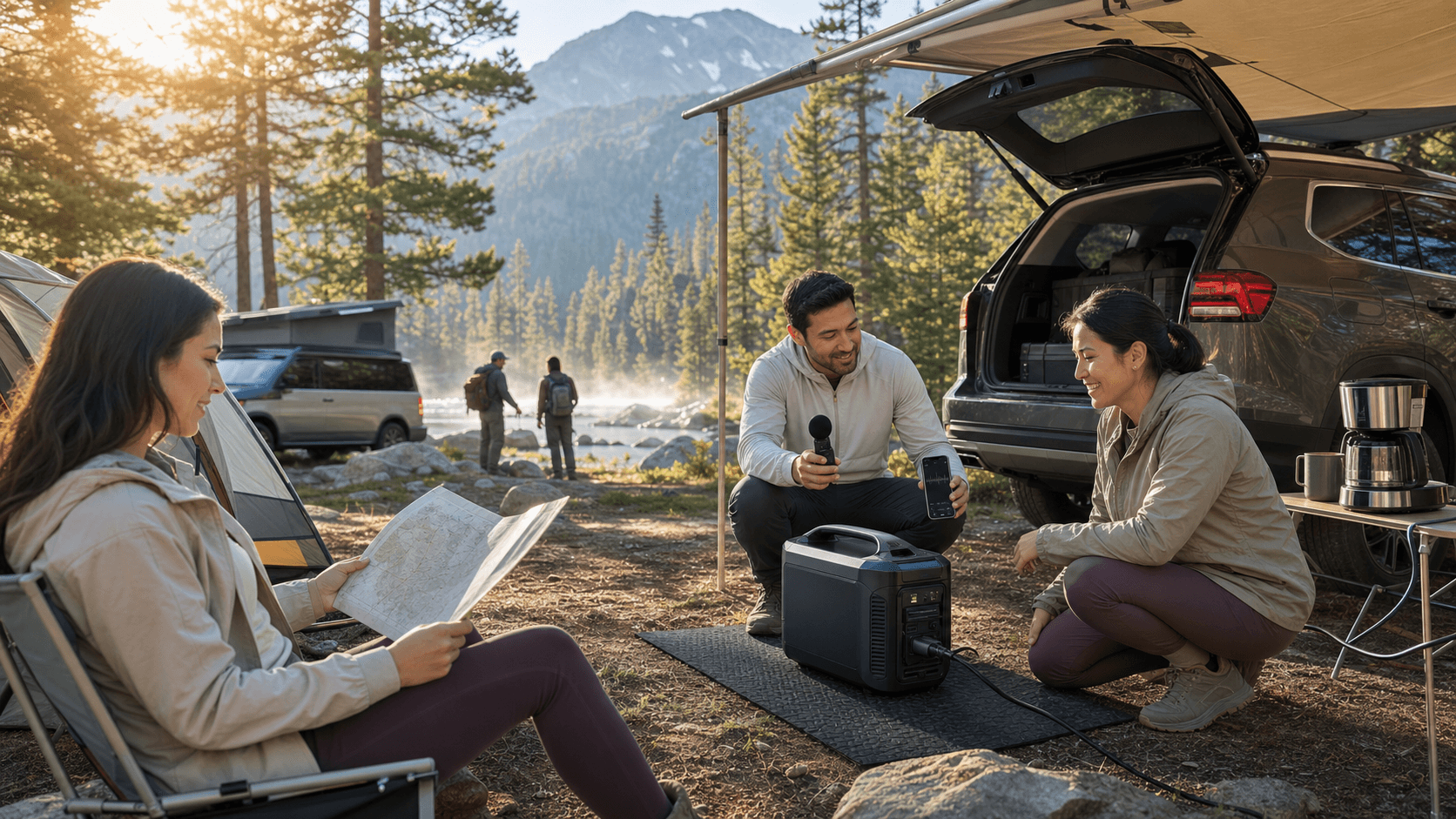
Battery power stations are the quiet heroes of tent camping. They have no engine, so they run silently, with just a small fan once in a while. They are great for:
- Phones, tablets, and laptops
- LED lights and small fans
- Camera and drone batteries
- CPAP machines with the right capacity
Solar generator setups pair a power station with portable panels. On long summer days, you can refill your battery as the sun moves across the sky. It is a simple way to stretch your stay without carrying extra fuel or making noise.
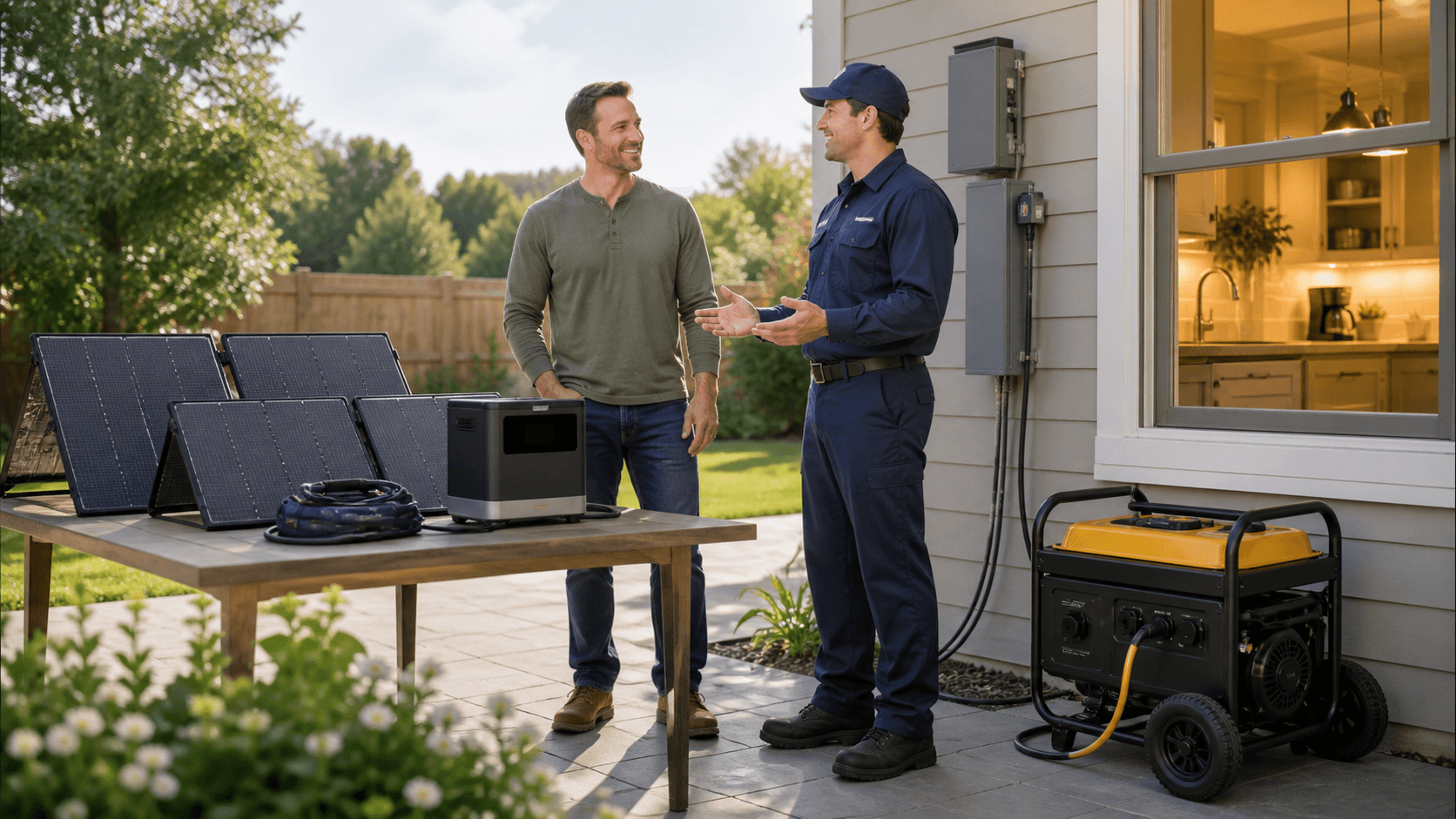
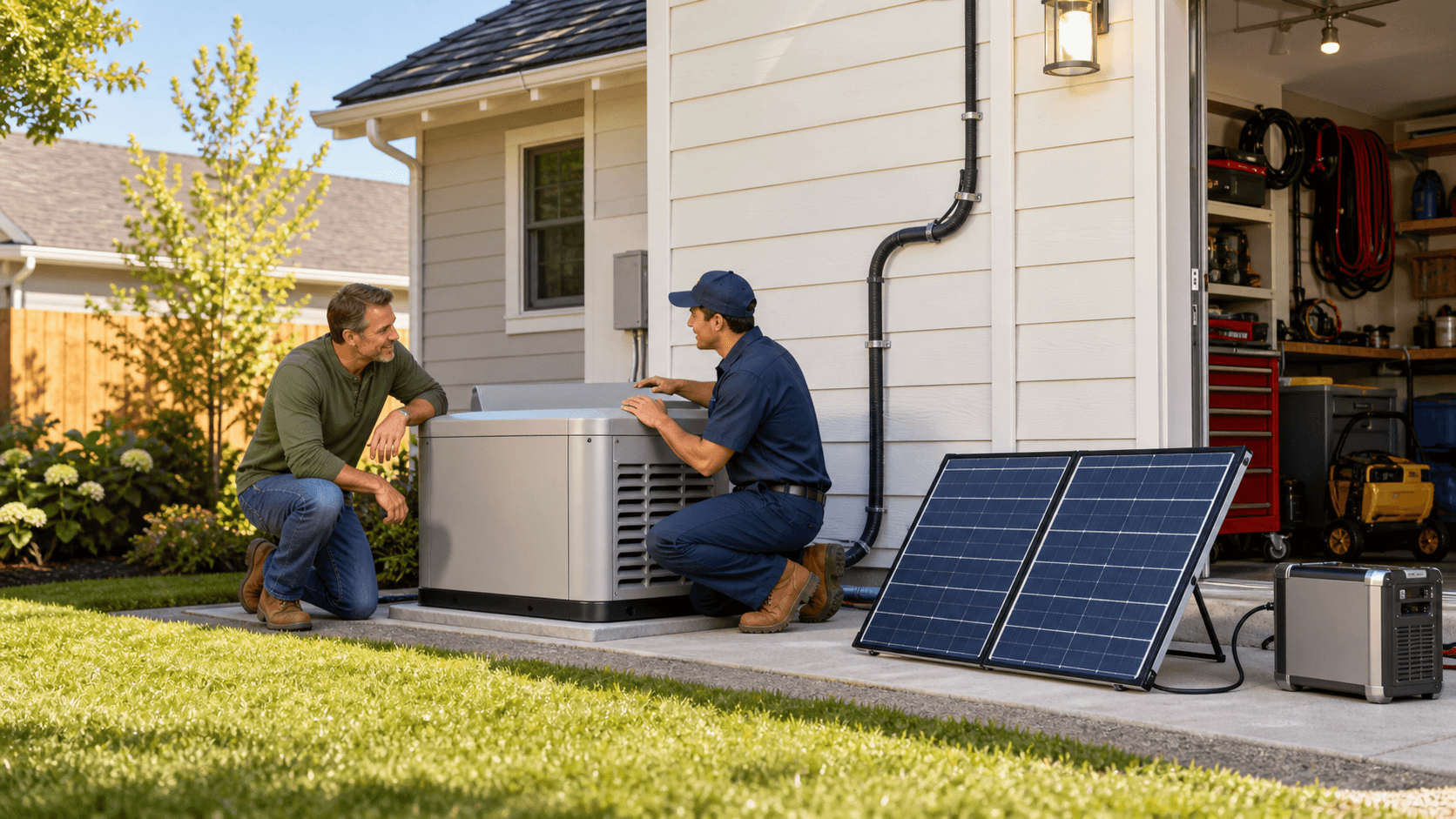
Many campers like hybrid setups. For example, you can use a small inverter generator in the afternoon to run heavy loads and charge a battery power station. Then, at night, you switch to battery only, so your site stays quiet during quiet hours. Add folding solar panels during the day to top everything off.
Practical Tips to Keep Your Campsite Peaceful
Even the quietest generator for camping can feel loud if you park it in the wrong spot. Smart placement makes a big difference.
- Keep it a good distance from sleeping areas
- Use trees, rocks, or small hills as natural sound shields
- Do not aim the exhaust toward other campsites
Think about when you run your generator too. Try this rhythm: use the generator during the day for high-demand gear, battery charging, and cooking, then switch to battery power and solar in the evening. This keeps that calm, outdoor feel when people gather around fires or look up at the stars.
Maintenance and safety also affect both noise and comfort. A well-tuned engine runs smoother and quieter. Clean air filters, proper oil levels, and good spark plugs can help. Use outdoor rated extension cords, keep cords neat so no one trips, and follow all fire and carbon monoxide rules from your campground or park.
A simple packing checklist for quiet power might include:
- Quality outdoor extension cords in the right length
- Fuel, propane, or extra battery capacity
- Cord organizers or Velcro straps
- A small weather cover or shelter for rainy nights
Build Your Quiet Camping Power Kit with Confidence
The best camping power setups all share a few traits: low decibel ratings, enough wattage to do what you care about, and the right mix of gas, battery, and solar for how and where you camp. When you keep those three pieces in mind, the rest of the details get much easier to sort.
Before your next summer trip, think about your camping style. Do you car camp at shaded forest sites, boondock with an RV, or keep it simple with a tent near the beach? How long do you stay, and what are your must-haves, like cooling, lighting, or medical devices that must run all night? At Generator Vault, we build our curated selection around these real-world questions, so campers, RV owners, and off-grid explorers can power up without spoiling the quiet that makes camping feel special.
Power Your Next Camping Trip With Reliable Portable Energy
If you are ready to keep your campsite lights, coolers, and devices running without the noise and fumes of traditional generators, we are here to help. Explore our curated selection to find the right generator for camping that fits your trip length, power needs, and budget. At Generator Vault, we test and compare models so you can choose with confidence. If you still have questions or need personalized guidance, feel free to contact us.