Stop Assuming "Quiet" Means Problem-Free
Quiet inverter generators are showing up in more driveways and patios every summer. Storms hit, the power drops, and nobody wants a loud, old-school generator rattling the whole neighborhood. A quiet inverter generator feels like the perfect fix for backup power, camping, tailgating, and outdoor parties.
But quiet does not mean effortless. These units solve a big noise problem, yet they also bring their own planning and safety issues. Many homeowners find this out in the dark, with food thawing in the freezer and a generator that keeps tripping or overheating. Here at Generator Vault, we want you to skip those surprises and feel calm when the lights go out.
In this guide, we walk through the mistakes people do not expect with quiet inverter generators and how to avoid them so your setup is safe, practical, and ready when you need it.
Misjudging How Much Power You Really Need
One of the biggest surprises is how fast watts add up. A quiet inverter generator might look strong on paper, but the way your appliances start and run can overload it.
There is a big difference between running watts and starting watts. Some appliances sip power once they are running but gulp a lot at startup. This is where many people get caught.
Common examples with high starting watts include:
- Central and window AC units
- Sump pumps and well pumps
- Refrigerators and freezers
- Air compressors and some power tools
If you only look at running watts, your generator might seem big enough. But when the AC and fridge kick on at the same time, you can hit the limit, trip the overload, or shut the generator down right when you need it most.
Then there are the "hidden" loads. During an outage, people still want:
- Wi‑Fi router and modem
- Phone and laptop chargers
- Garage door opener
- Security cameras and alarm systems
- Medical devices and CPAP machines
Each one seems small, but stacked together they matter, especially with summer AC or pump loads.
The fix is simple planning:
- Make a list of what you must power to stay safe and comfortable.
- Separate "must have" items, like fridge, medical gear, and one AC zone, from "nice to have" items like TV or extra lights.
- Add up starting watts for your must-haves first, then see what is left for extras.
Once you know your real load, you can match it to a properly sized quiet inverter generator or a parallel setup that uses two units together.
Treating Placement as Just a Noise Decision
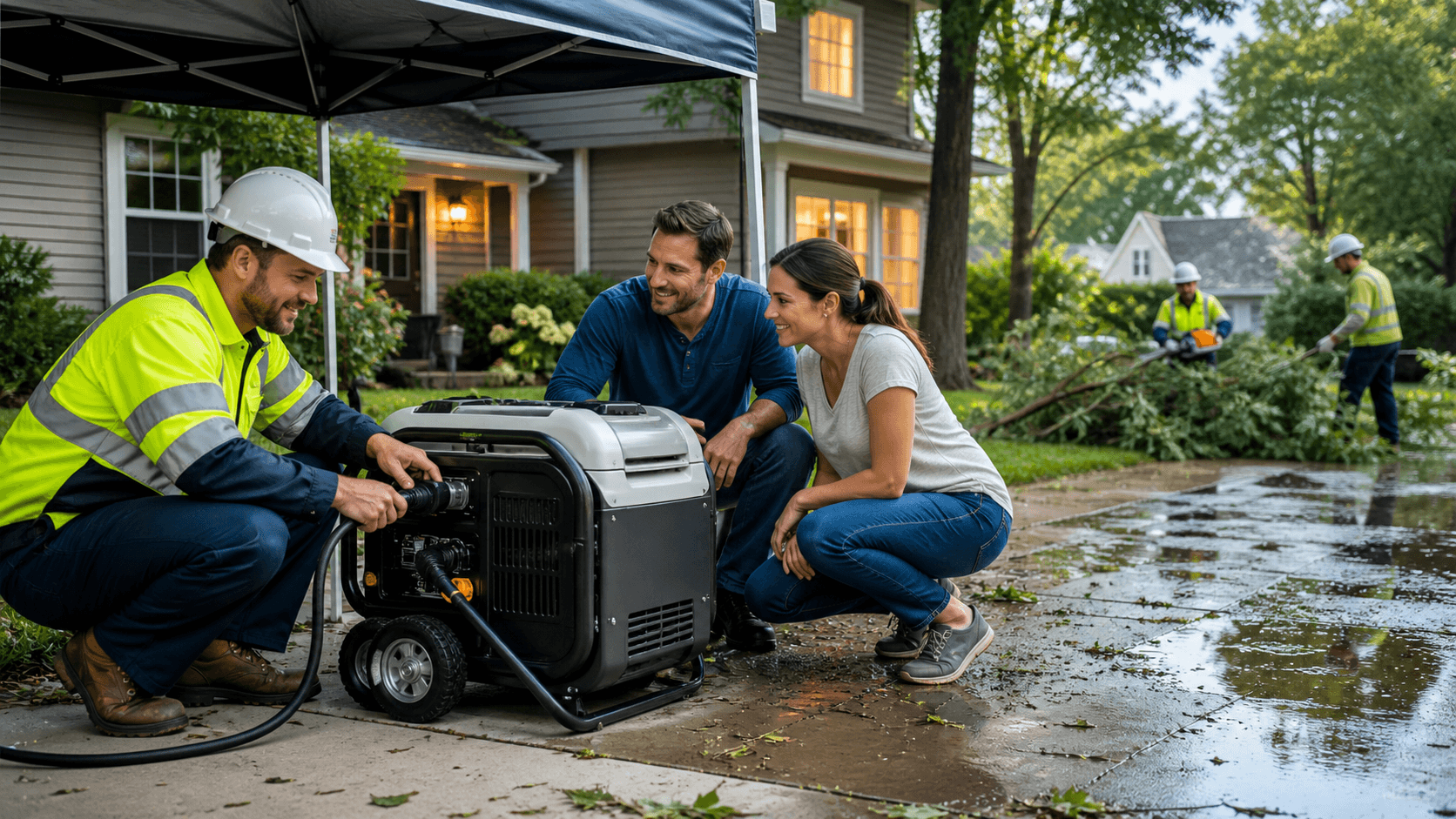
Because inverter generators are quieter, people feel comfortable putting them closer to the house. That is where risk creeps in.
Carbon monoxide is still a real danger. Quiet or not, these engines make exhaust that you cannot see or smell. Running too close to:
- Windows and doors
- Attached garages
- Covered patios and porches
can let fumes drift inside. You always want the unit outside, far from openings, with the exhaust pointing away from the home. Indoor CO detectors are a must whenever you use any generator.
Ventilation and heat are often ignored too. Some homeowners park the generator:
- In a shed with the door half open
- Under deck stairs
- Inside a carport or under a tarp hung too low
Even if the sound is softer, hot air builds up around the unit. That can cause overheating, reduced power, and long-term damage.
Surface choice matters as well. Soft or uneven ground can cause:
- Tipping or shifting while running
- Blocked intake vents from tall grass or mud
- Extra vibration and noise through a deck or hollow patio
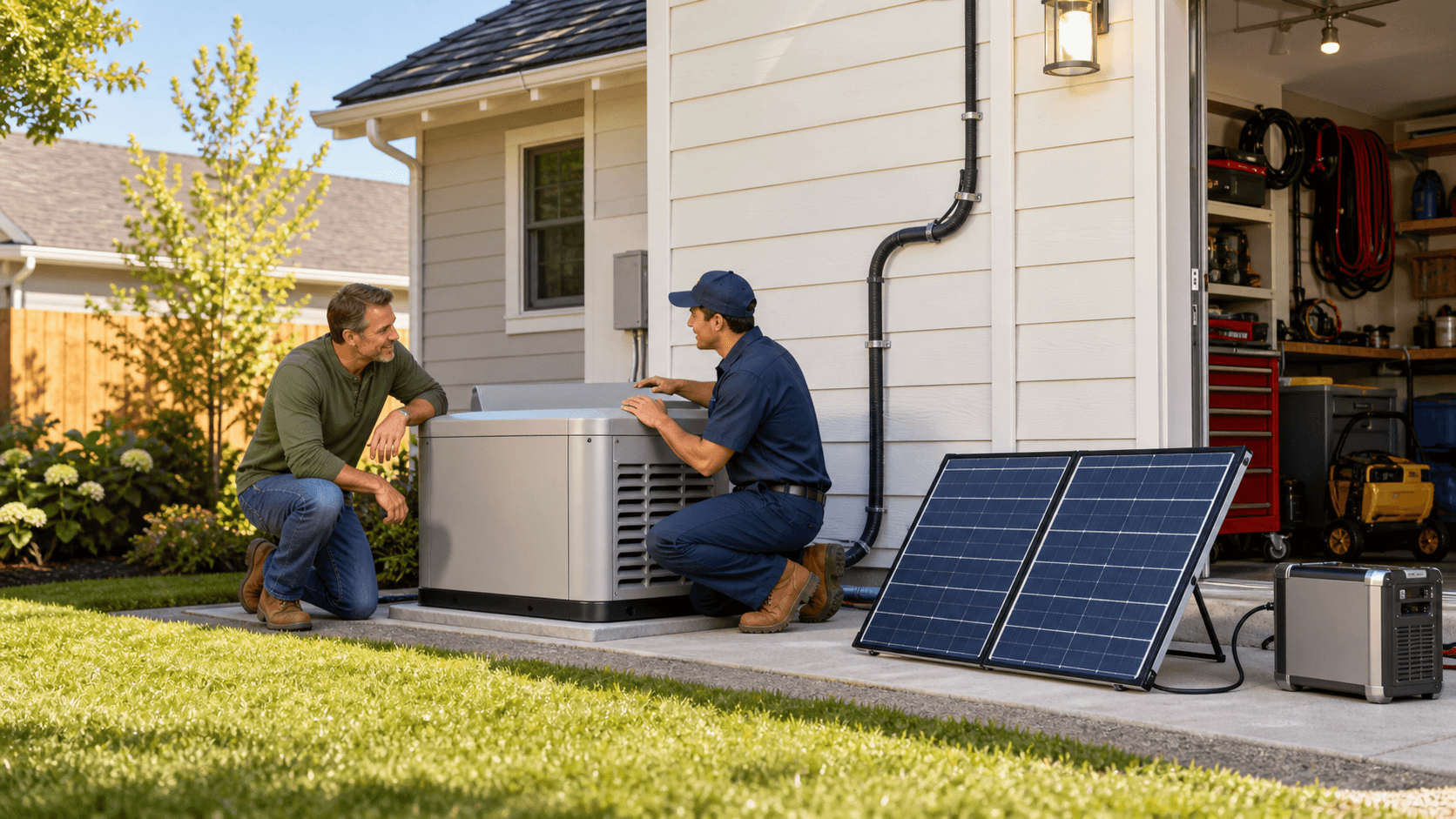
Better options are solid, level spots like a driveway or a dedicated pad, with a weather-ready cover that still allows airflow and access for cords.
Fuel, Maintenance, and Storage Mistakes That Kill Lifespan
A quiet inverter generator is not a "buy it and forget it" tool. Treating it like a lawn mower that only sees attention when the grass is tall can shorten its life.
Fuel is a common problem. Many homeowners buy gas before hurricane or wildfire season, then let it sit for months. Modern gasoline with ethanol can:
- Separate and go stale
- Leave varnish deposits
- Clog tiny carburetor passages
Without treated or rotated fuel, you may pull the cord on a silent machine while the storm rages. Using a quality fuel stabilizer and refreshing stored fuel on a regular schedule keeps your generator ready.
Maintenance also matters more than people expect. Quiet inverter generators may be smaller and smoother, but they still need:
- Early break-in oil changes when the engine is new
- Air filter checks, especially in dusty summer conditions
- Spark plug inspections before heavy storm seasons
Skipping these steps can mean hard starts, surging power, or complete failure at the worst time.
Long-term storage is another trap. A generator often sits longer than a mower, then gets called into service under heavy load. Proper storage usually includes:
- Draining or treating the fuel system before long gaps
- Running the unit briefly every so often to keep parts lubricated
- Protecting it from moisture, pests, and chewed wiring
A little attention during the calm months keeps the quiet performance you paid for.
Overlooking Connection, Noise, and Solar Hybrid Options
How you connect your quiet inverter generator to your home matters just as much as the unit itself. Many people learn this the hard way with unsafe or awkward hookups.
Risky moves include:
- Backfeeding the house through a dryer outlet
- Using thin, undersized extension cords
- Snaking cords through doors or windows that will not close
These choices can be dangerous and can damage sensitive electronics. A safer plan usually includes heavy-duty outdoor cords, proper inlet hardware, and a transfer system that keeps the generator outside and your wiring safe and code-conscious. This is an area where working with an electrician pays off.
Noise expectations can be off too. "Quiet" does not mean "silent." Under heavy load or late at night with open windows, even a quiet inverter model can still be heard. It helps to:
- Place the unit as far as practical from sleeping areas
- Set it behind a solid object like a wall or fence, without blocking airflow
- Run the smallest load you truly need at night
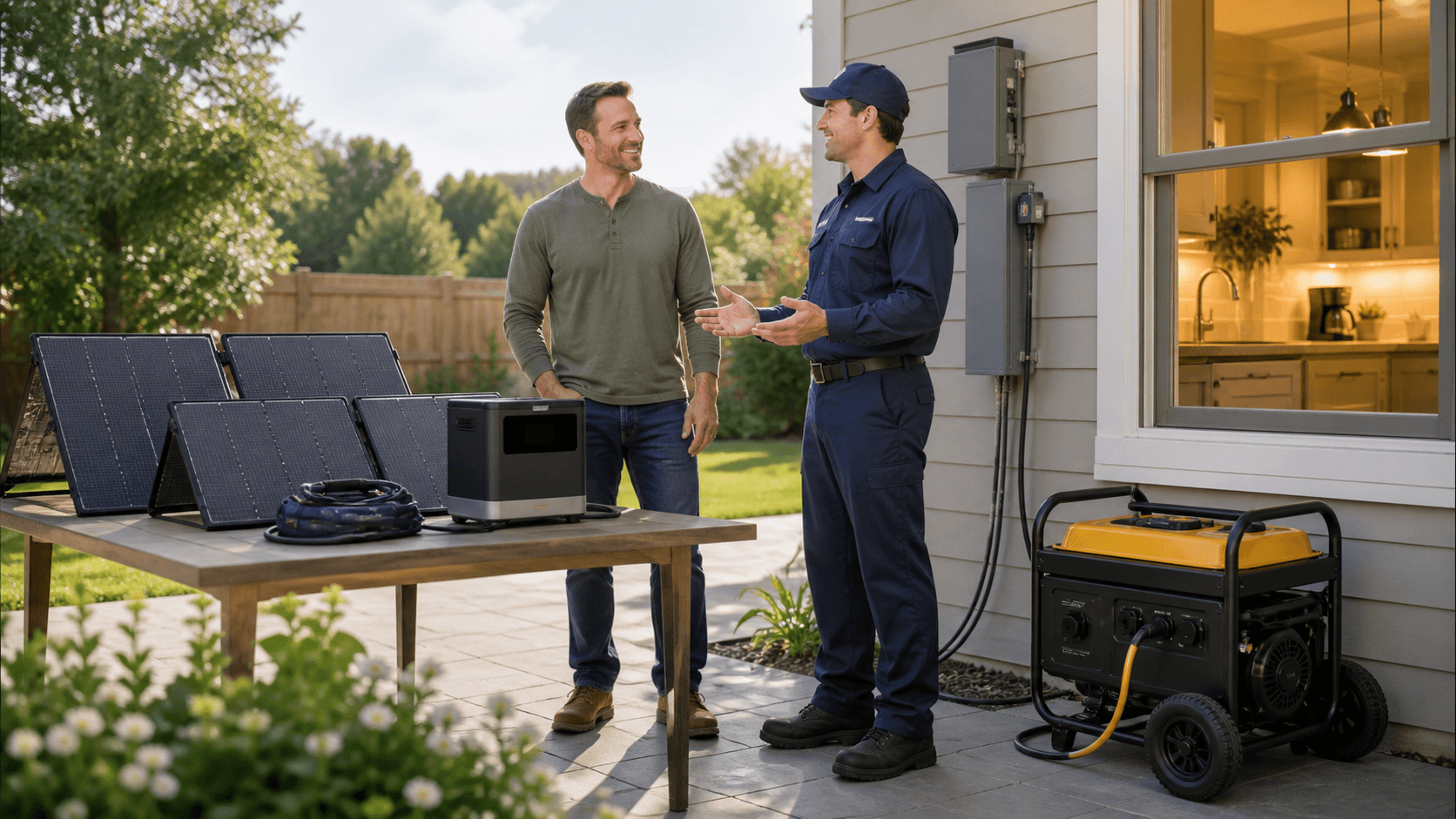
Finally, many homeowners forget how well a quiet inverter generator can team up with solar and batteries. A small solar power kit or home battery bank can:
- Cover light loads like lights, phones, and Wi‑Fi
- Let you shut the generator off at night
- Stretch your fuel during long outages
- Keep camp or RV setups peaceful and low-noise
Instead of running the generator nonstop, you can let solar and batteries handle the easy work and use the generator only when heavy loads or cloudy weather hit.
Turn Your Quiet Inverter Generator Into Real Peace of Mind
The key mindset shift is simple: think of your quiet inverter generator as one part of a complete backup power plan, not a magic gadget. When you plan your loads, place the unit safely, care for fuel and maintenance, and consider smart connection and solar options, that "quiet" label turns into real comfort during storms and outages.
At Generator Vault, we specialize in curated generators, solar power kits, batteries, and off-grid appliances that work together as a system. When you match your gear to your home's real needs and seasonal risks like summer storms, heat waves, and planned outages, you avoid the common mistakes and end up with backup power that actually feels as calm and reliable as you hoped when you bought that quiet inverter generator.
Power Your Next Adventure With Reliable, Low-Noise Energy
If you are ready to upgrade your backup power or outdoor setup, we can help you choose the right quiet inverter generator for your needs. At Generator Vault, we focus on dependable, low-noise options that fit homes, RVs, and job sites. Have specific questions or a unique situation? Reach out to our team through our contact page so we can recommend the best solution.