Power outages can hit at the worst time. One minute the house is humming along, the next you are in the dark, the fridge is warming up, the AC is dead, and every device in the house starts beeping. Backup power is no longer just for people far out in the country. With stronger storms, heatwaves, work-from-home jobs, and more devices that need constant power, many homes now see backup power as a must-have.
The big question is simple: should you lean toward solar power kits or go with a traditional generator for home backup? Both can keep your home running when the grid drops, but they do it in very different ways. We will walk through how each option works, where each one shines, and how to think through what actually fits your home and your daily life.
Keep the Lights on When the Grid Goes Down
.
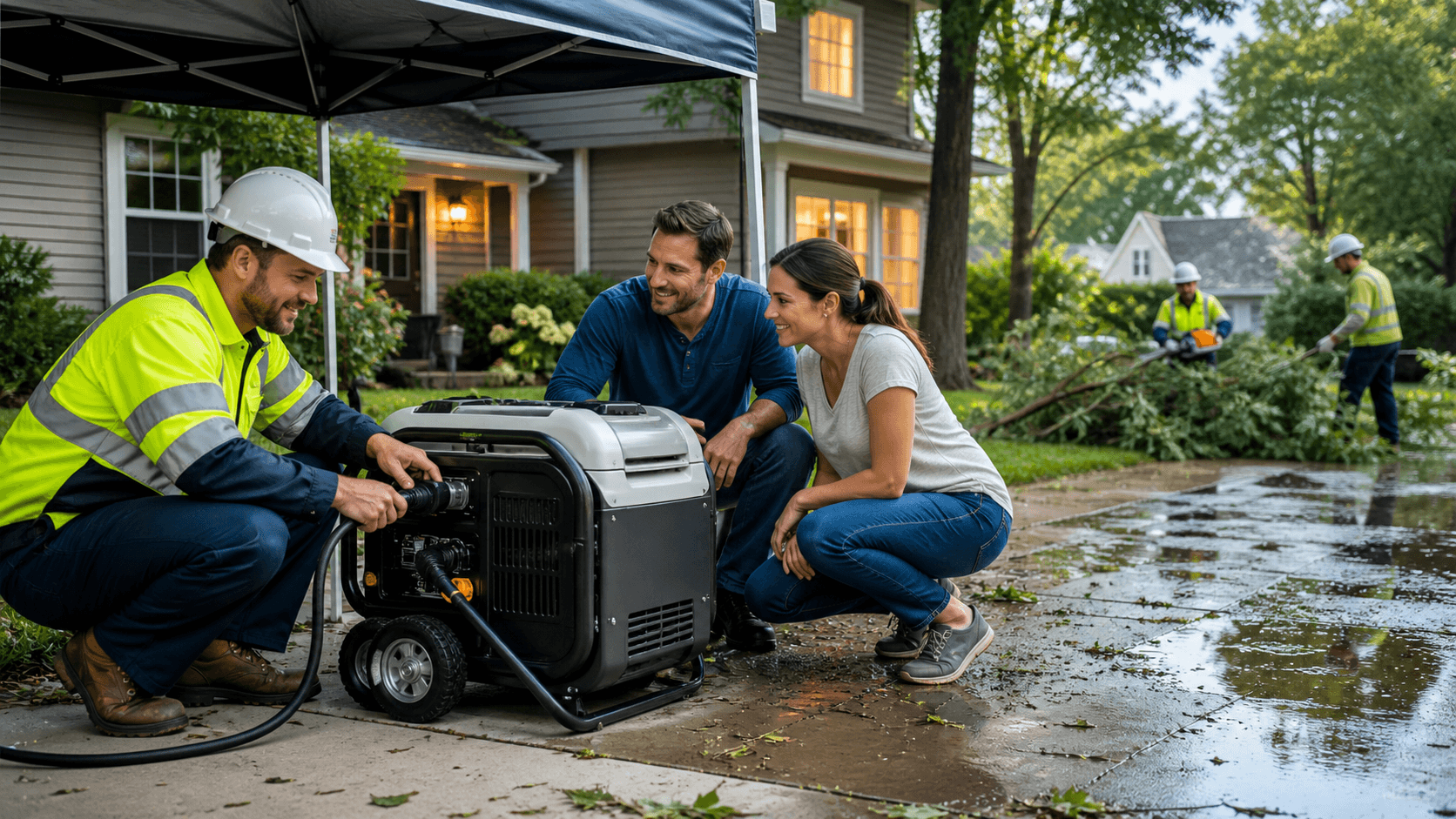
Think about a midsummer thunderstorm rolling through. The sky turns dark, the wind picks up, the power flickers, and then everything shuts off. Outside, the rain is pounding. Inside, it is getting warmer, the freezer is full of food, and the Wi-Fi that runs your job just went quiet.
Many homes now depend on constant power for things like:
- Work laptops and home offices
- Wi-Fi routers and phones
- Security cameras and alarms
- Medical devices and health equipment
- Fridges, freezers, and climate control
That is why more homeowners are comparing two main backup paths:
- Portable or standby generators
- All-in-one solar power kits with batteries
The right choice depends on what you need to run, how long your outages last, and what kind of noise, fuel, and upkeep you are willing to live with.
How Solar Power Kits Really Work for Home Backup
Modern solar power kits are not just loose parts in a box. They are usually built as integrated systems that play nicely together. A typical kit includes:
- Solar panels that collect energy from the sun
- A charge controller that manages charging
- An inverter that turns stored power into AC power for your home
- A battery bank, often inside a single plug-and-play unit
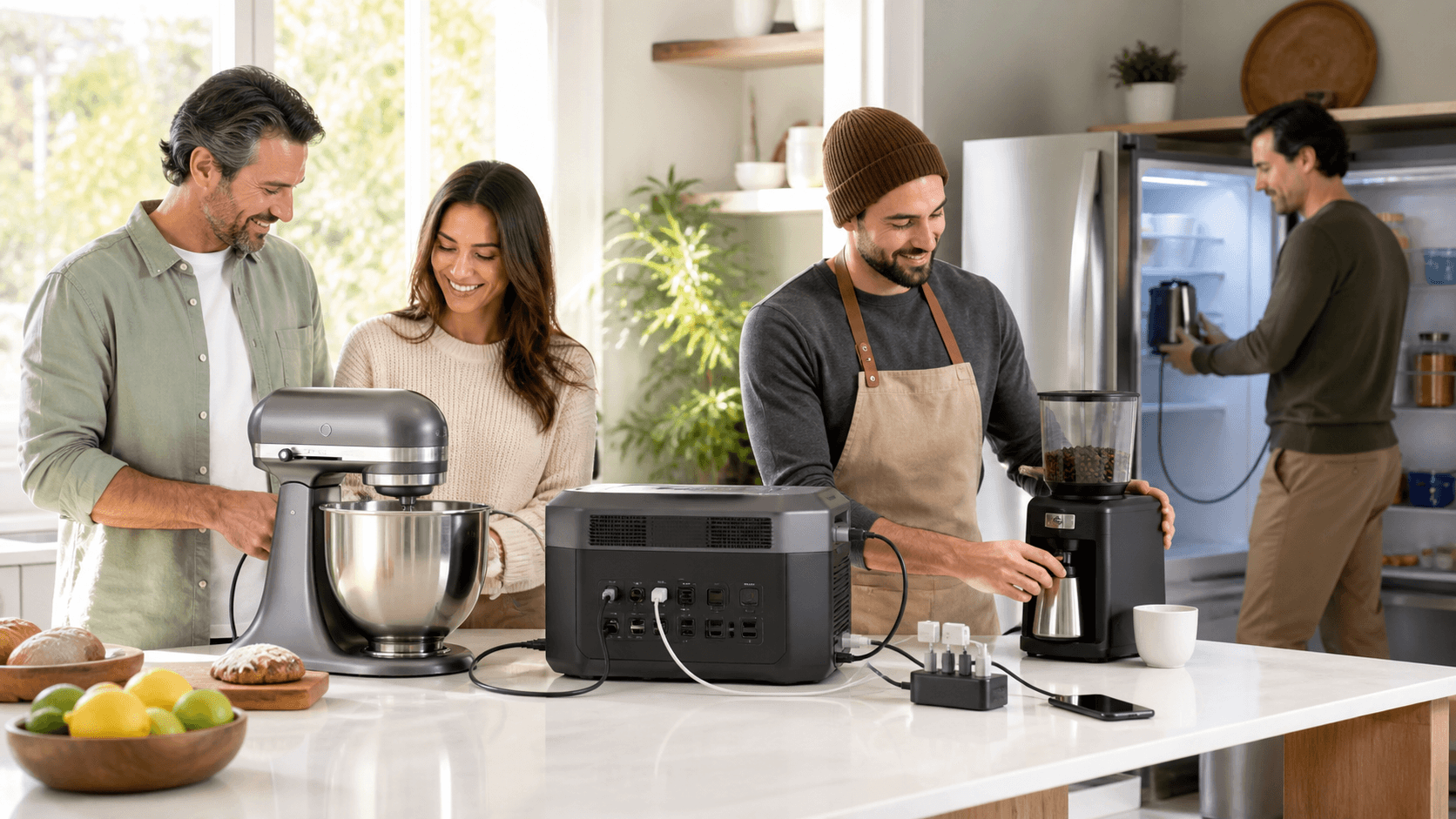
During normal days, the panels charge the battery. When the power goes out, the inverter pulls from the battery and sends power to your key devices. You can plug in things like:
- Fridges and freezers
- Lights and fans
- Wi-Fi routers and phones
- Laptops and small medical equipment
How long it all runs depends on system size, sunlight, and what you plug in. Many people focus on "critical loads" only, so the battery lasts longer. Quiet fans and a running fridge can make a bad outage feel a lot less stressful.
Solar power kits bring some clear benefits, especially in summer:
- No rushing out for gas during storms or heatwaves
- Almost silent operation, so you can sleep and take calls
- No exhaust fumes, which is important in tight spaces
- The option to use the system on normal days to offset part of your power use
Instead of thinking of backup power as something that just sits in a corner, a solar kit can help you every day, not only when the grid fails.
When a Traditional Generator Is the Better Fit
Generators come in two main types for homes:
- Portable units that run on gas or propane
- Standby units that are installed permanently and can turn on automatically
Generators are often the better fit when you need high power all at once. They are strong at things like:
- Running central AC systems
- Powering well pumps on rural properties
- Handling big tools or shop equipment
- Keeping more of the house running at the same time
As long as you have safe fuel storage and can get more fuel when you need it, a generator can run for long periods. Many homeowners are already familiar with how engines work, which can make generators feel more straightforward.
There are trade-offs:
- Noise is hard to avoid, especially with smaller portable units
- Exhaust means the generator must always sit outside in a safe, clear spot
- Regular maintenance is needed, such as oil changes and inspections
- Fuel storage has to be handled carefully, and big storms can make fuel harder to find
For some homes, these trade-offs are worth it for the raw power that a generator can provide to heavy loads.
Solar Power Kit vs. Generator Cost, Runtime, and Convenience
When people compare solar power kits and generators, they usually think about three big areas: cost, runtime, and convenience.
In general:
- Generators tend to cost less up front, but you keep paying for fuel and maintenance
- Solar kits tend to cost more at the start, but the sun is free and upkeep is low
Runtime also looks different:
- Solar power kits do best in longer outages when you have regular sunlight, because the system can recharge every day
- Generators do well in shorter or on-and-off outages when fuel is easy to get and store
Lifestyle and comfort matter too:
- Generators are loud and have fumes, which can be tiring over long outages
- Solar is very quiet and clean, so it is easier to live with for days at a time
- Generators usually need manual fueling and checks
- Solar mostly runs on its own, as long as the panels see the sun
If you care a lot about summer comfort, think about whether you mainly need fans, a mini-split, or a window AC, or if you truly need to power a big central system. That choice alone can point you toward one option or the other.
How to Decide Which Backup Option You Really Need
A simple framework can keep this from feeling overwhelming.
Start with:
- Your must-run devices during an outage
- How long outages usually last where you live
- Your local weather, especially strong sun or frequent storms
- Space for fuel cans or for safe panel placement
- Whether you rent or own, and what changes you are allowed to make
Solar power kits tend to be ideal when:
- You live in a town or suburb with limited room for fuel
- You want quiet, clean backup that will not bother neighbors
- You work from home and need steady Wi-Fi and laptop power
- You like the idea of using the system on normal days to cut grid use
A generator may be better when:
- You are on a well and must keep pumps running
- You have a large property with heavy tools or barn equipment
- Your area sees long winter outages with less sun
- You already store fuel safely and do not mind engine checks and maintenance
Sometimes the right answer is clear the first time you list your must-haves. Other times, it is a closer call, and that is where a blended setup can really shine.
Smarter Backup Power with Solar and Generators Together
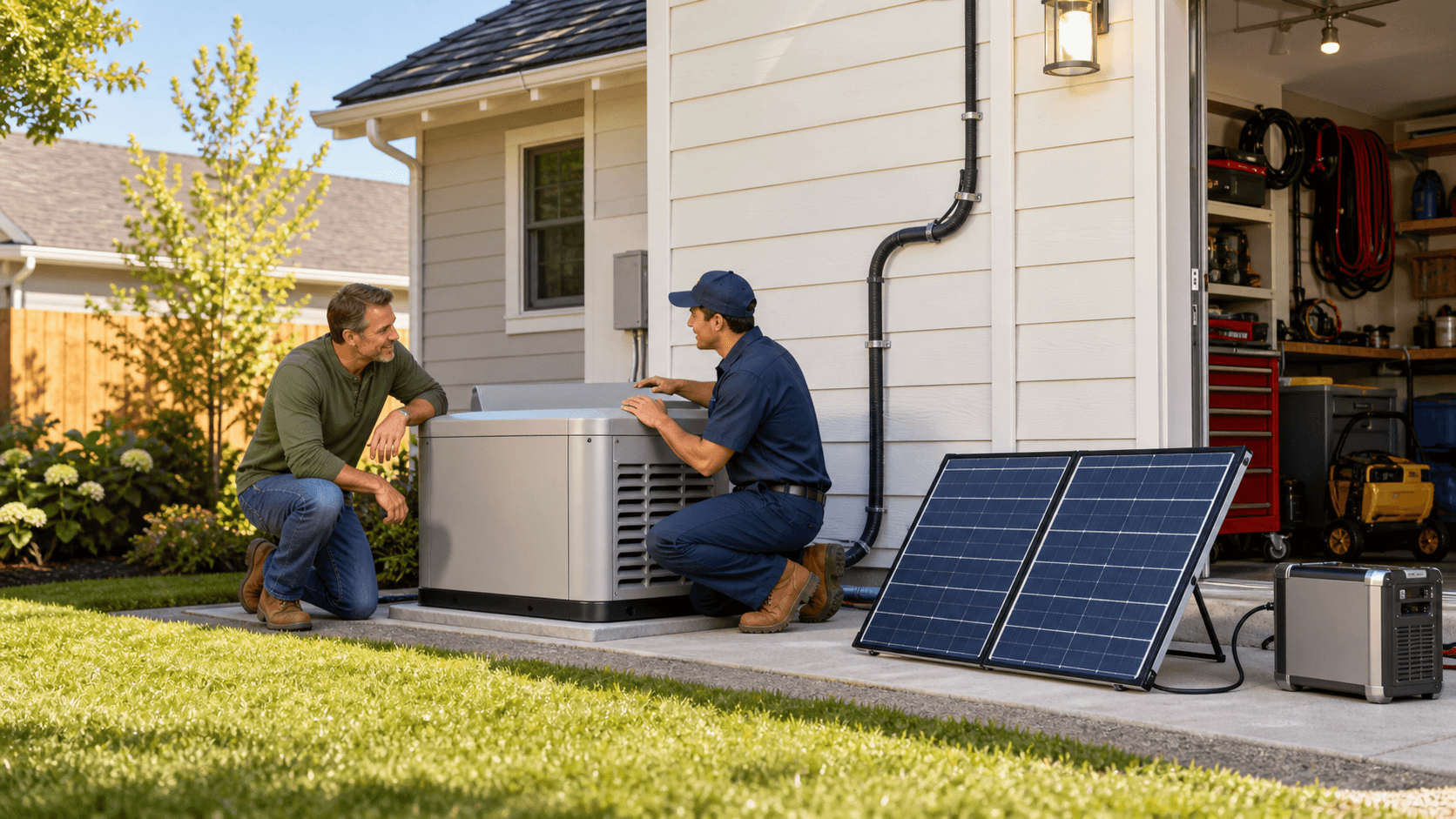
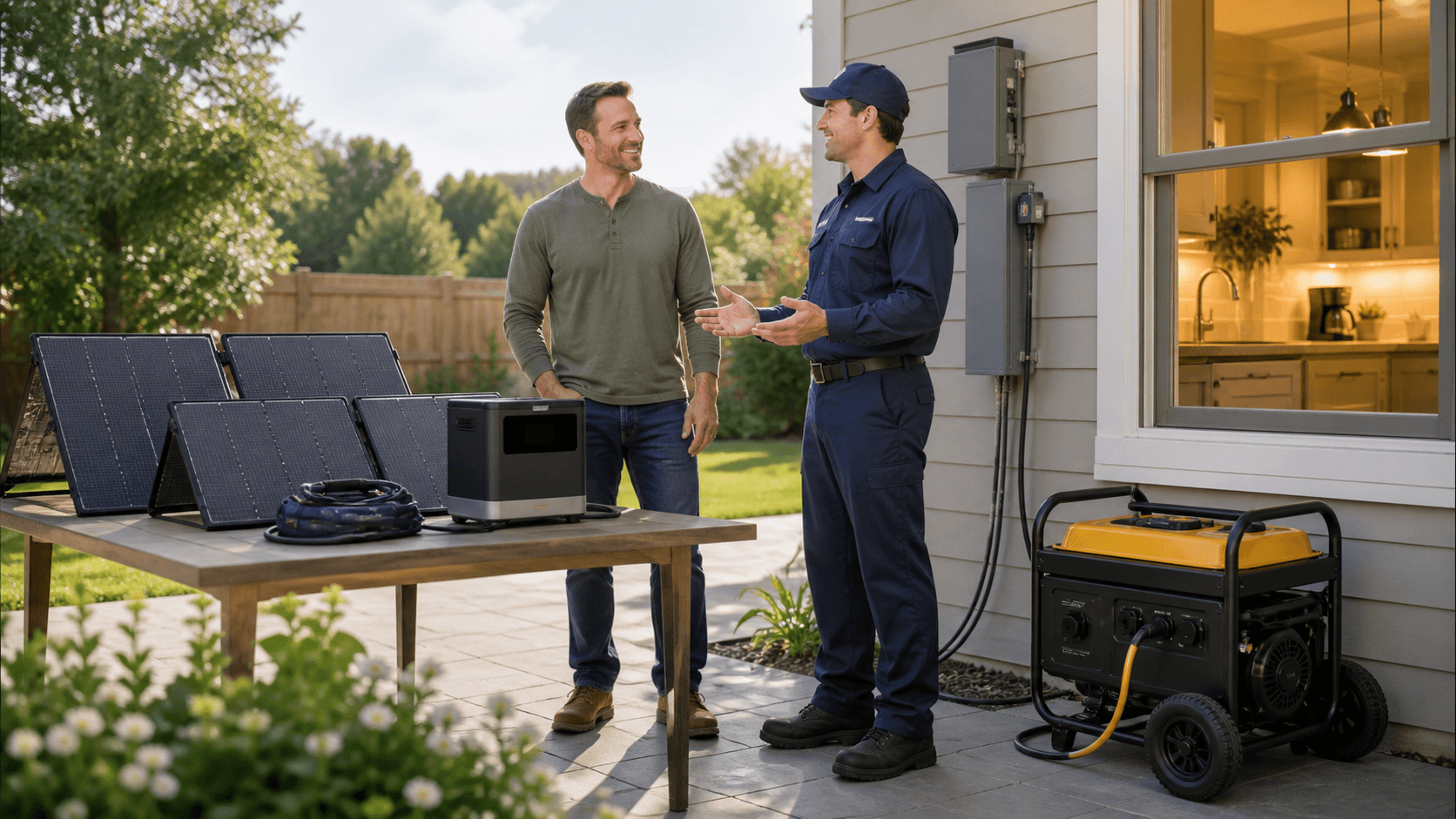
Many homeowners find that the strongest setup is not solar versus generator, but solar plus generator. In a hybrid system, a solar power kit handles everyday use and lighter backup needs, while a generator is there for the rare times when you need more power than the sun and batteries can give.
This approach can:
- Cut fuel use because the generator only runs when needed
- Reduce noise, since most hours are covered by quiet solar power
- Lower wear and tear on the generator, which can help it last longer
- Keep lights, Wi-Fi, and devices on solar, while saving generator power for pumps or AC
At Generator Vault, we focus on generators, solar power kits, batteries, and off-grid appliances that can work together so your backup plan can grow over time instead of all at once.
Take the Next Step Toward Reliable Home Power
The best place to start is with a simple list. Write down what you absolutely need powered during an outage, then decide how many hours or days you want those items to stay on. Once you know your must-run loads and your target backup time, it gets much easier to see whether a solar power kit, a generator, or a mix of both fits your situation.
Generator Vault is here to make that choice clearer. We curate generators, solar power kits, and off-grid appliances with real-world use in mind, and we focus on clear specs and practical guidance for first-time buyers as well as more advanced users.
Get Started With Your Project Today
If you are ready to make your home more resilient and energy independent, our curated solar power kits are a simple way to get started. At Generator Vault, we help you choose reliable equipment that fits your budget and your backup power needs. If you have questions or want a tailored recommendation, just contact us and we will walk you through the options.