Stay Powered When Storm Season Knocks Out the Grid
Storm season hits hard from August through October. Thunderstorms roll through, hurricanes spin up off the coast, and high winds push trees onto power lines. The grid gets stressed, and the lights go out more often and for longer stretches than anyone likes.
When that happens, life at home or at a small business can get messy fast. Food starts to thaw, sump pumps stop, Wi‑Fi drops, phones die, and indoor temps climb or fall to unsafe levels. For some people, medical devices go offline. For small shops, every dark hour can mean lost sales and worried customers.
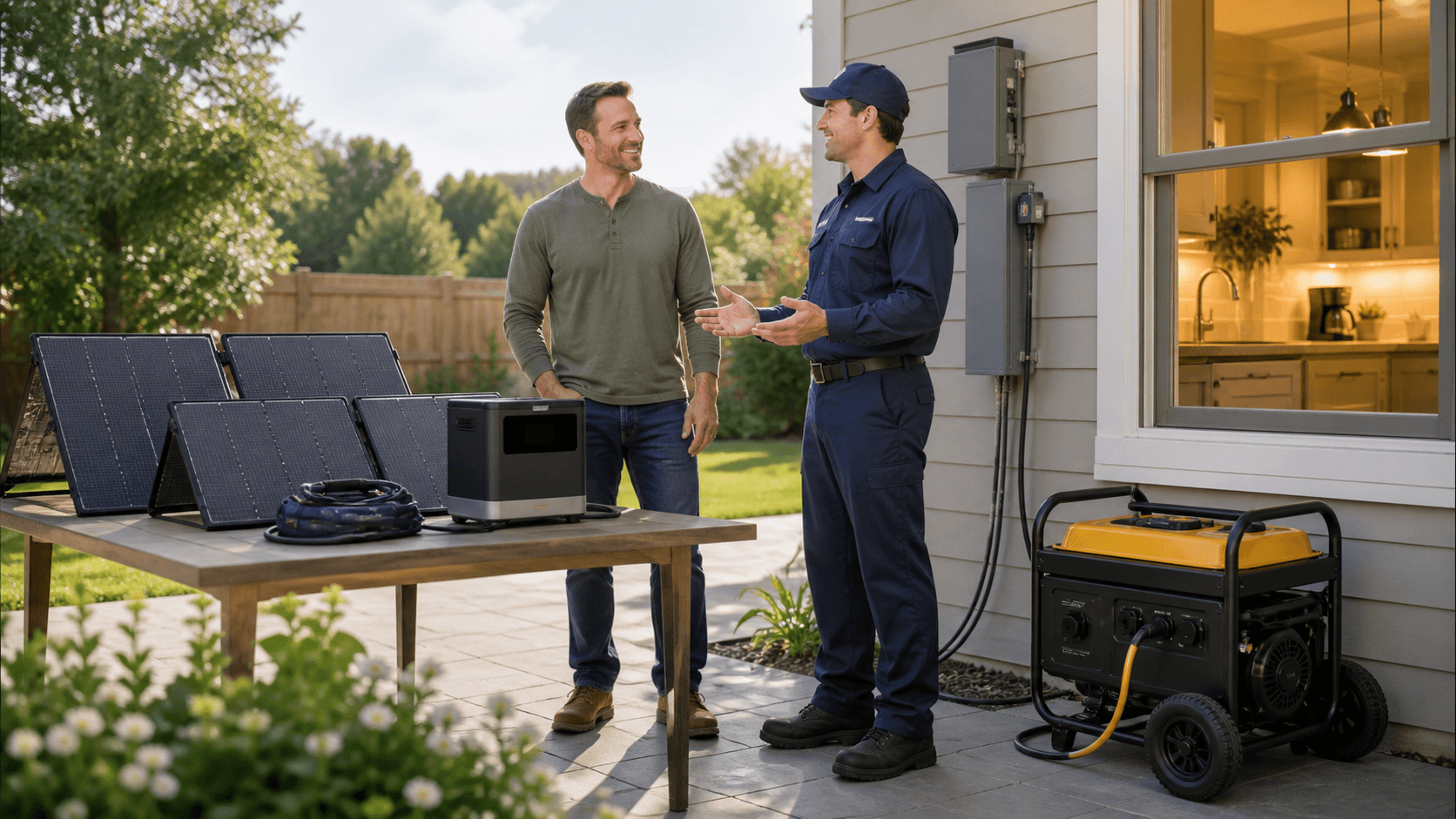
Portable generators and solar power stations give you fast, flexible backup power for outages. You can roll them out before a storm hits, run them during the worst of it if it is safe to do so, and keep them going while crews work on the lines. At Generator Vault, we focus on practical, ready-to-install backup and off-grid setups so you are not guessing about gear in the middle of a storm watch.
Know Your Risks Before the Storms Hit
Late summer and early fall often bring hot air, heavy rain, and sudden wind. Hurricanes can move inland and mix with local storms. Heat waves keep AC units running hard, and older power systems struggle to keep up. All of this adds up to more chances for power cuts.
It helps to think about your own outage risk ahead of time. Ask yourself:
- How often does power blink or go out where you live?
- Are there lots of trees hanging over nearby lines?
- Are you in a rural area with long feeds, or closer to a main substation?
- Do you rely on a well pump, medical gear, or a home office to work?
Next, make a simple list of what you truly need to keep running. That list might include:
- Refrigerator and freezer
- Sump pump or well pump
- Wi‑Fi router, modem, and phones
- CPAP or oxygen equipment
- A small AC unit or a few strong fans
- Lights, point-of-sale system, and basic security devices
Rank these items as must-have, nice-to-have, and can-wait. This risk and needs check shapes everything that follows. It helps you avoid buying something too small that will trip and shut off, or something huge that you will never use to its full potential.
Choosing the Right Portable Generator or Power Station
Once you know your key loads, you can match them with the right backup power for outages. Different types of portable units each have their sweet spots.
Gasoline and propane portable generators are common and familiar. Dual-fuel units can run on either gas or propane, giving you options when one fuel is harder to get. Inverter generators are usually quieter and make cleaner power, which is better for phones, laptops, and other electronics. Solar power stations use built-in batteries and can be recharged from the wall, from a generator, or from solar panels.
To size things correctly, add up the running watts of your must-have items. Then look at start-up surges. Gear with motors like fridges, freezers, and pumps often need a short burst of extra watts when they kick on. Your generator or power station should cover both running and surge watts, with a little extra room so it is not always maxed out.
Fuel and runtime planning is just as important as wattage. Some helpful ideas:
- Propane stores better than gasoline if you need to keep it on hand longer
- Extended-run fuel setups can reduce how often you need to refuel
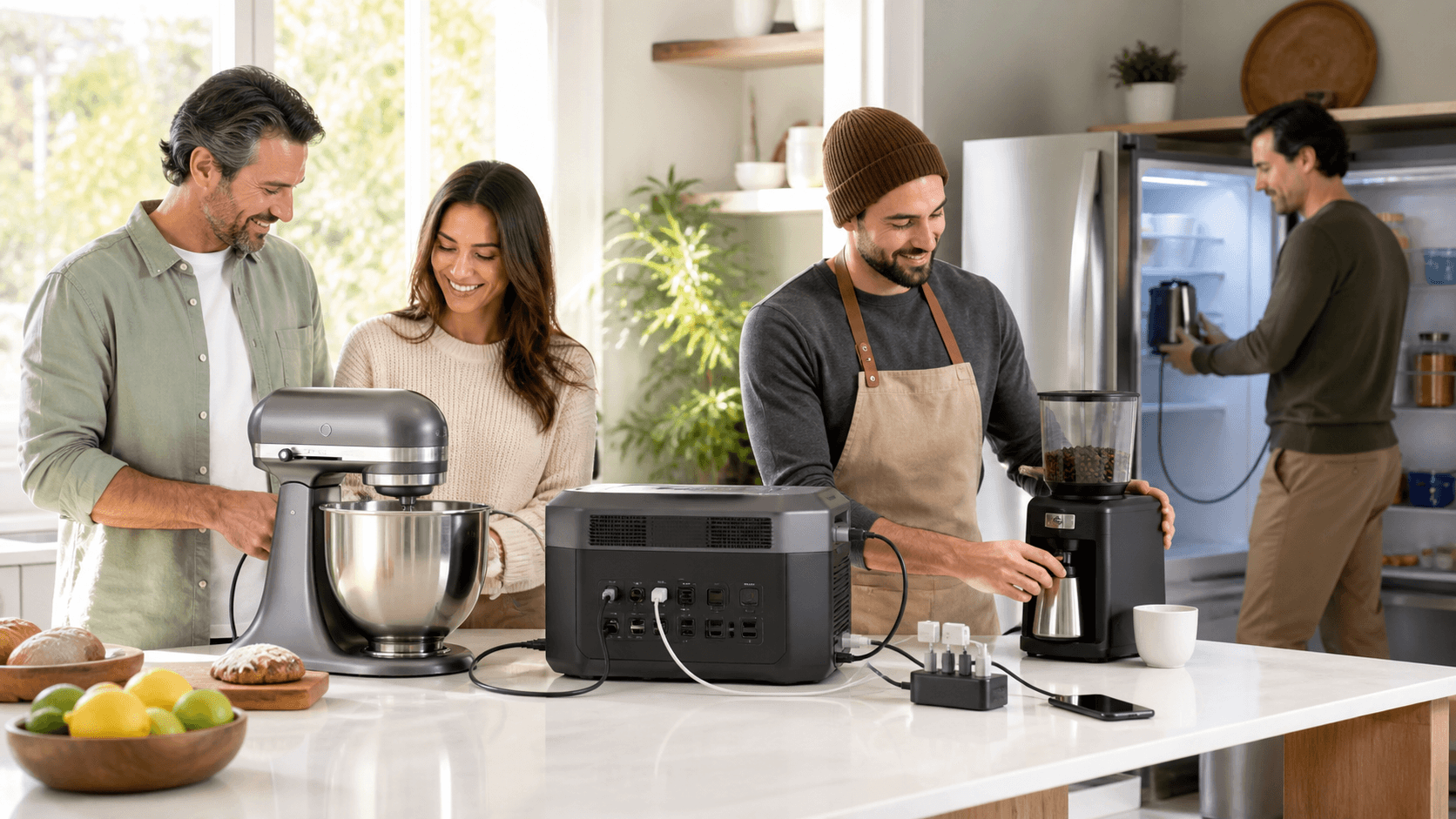
- A battery power station can pair with a generator for quiet overnight use
- Solar panels can top off batteries during the day in longer outages
At Generator Vault, we put time into curating units and bundled kits that already include things like cables and safe transfer options. That way, you can focus on your list of needs and let the hardware side be more straightforward.
Safe Setup and Operation When the Lights Go Out
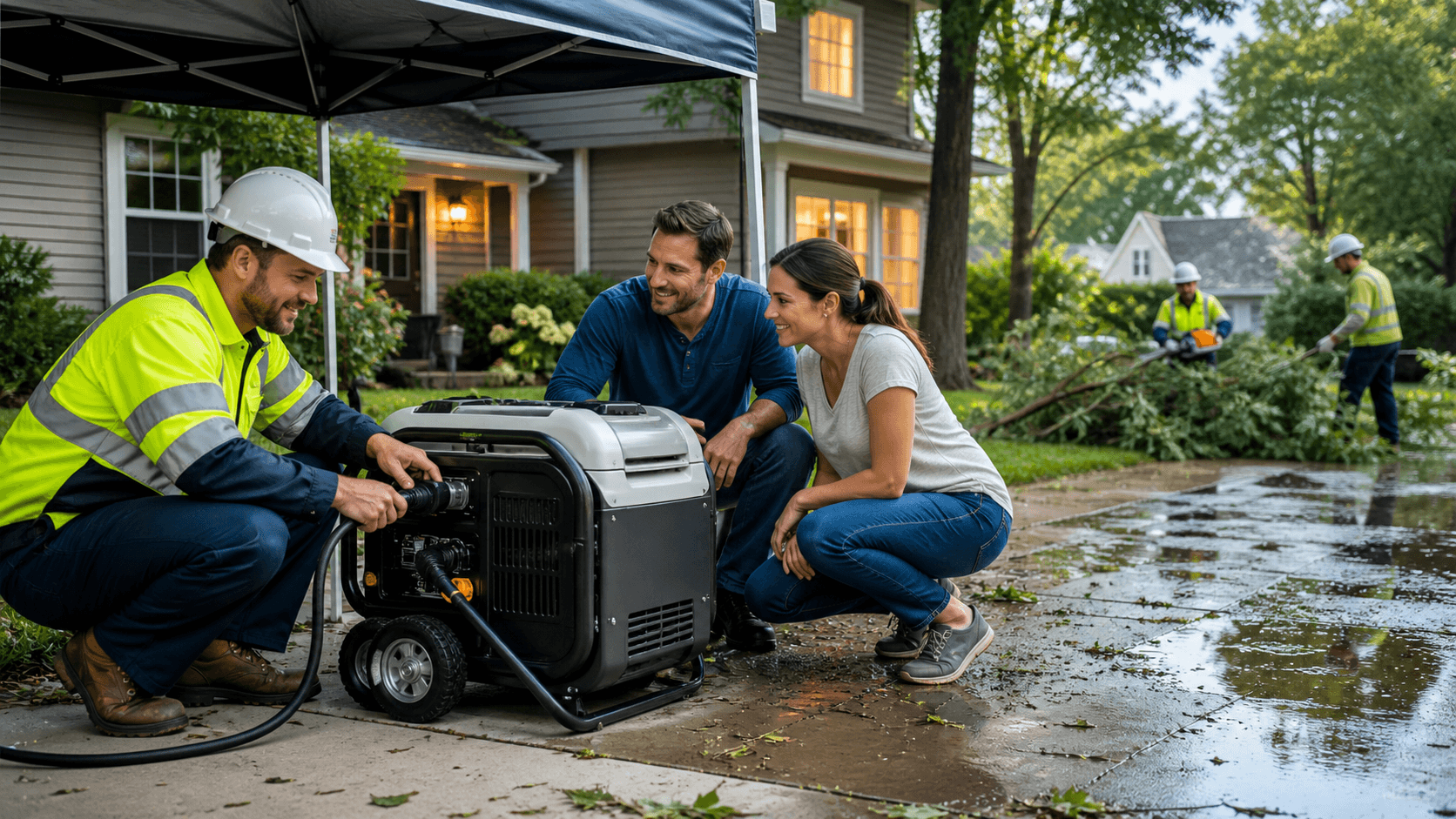
Safety always comes first with portable generators. The biggest rule is simple: never run a fuel-powered generator inside. It must sit outdoors, far from doors, windows, vents, or garages, so exhaust cannot drift inside. Carbon monoxide has no smell, and small mistakes can be deadly.
Use heavy-duty outdoor cords that match the load you are feeding. Avoid backfeeding power by plugging the generator into a wall outlet. That can send power back into the grid lines and put workers at risk. Inside your home or business, keep good carbon monoxide detectors with fresh batteries.
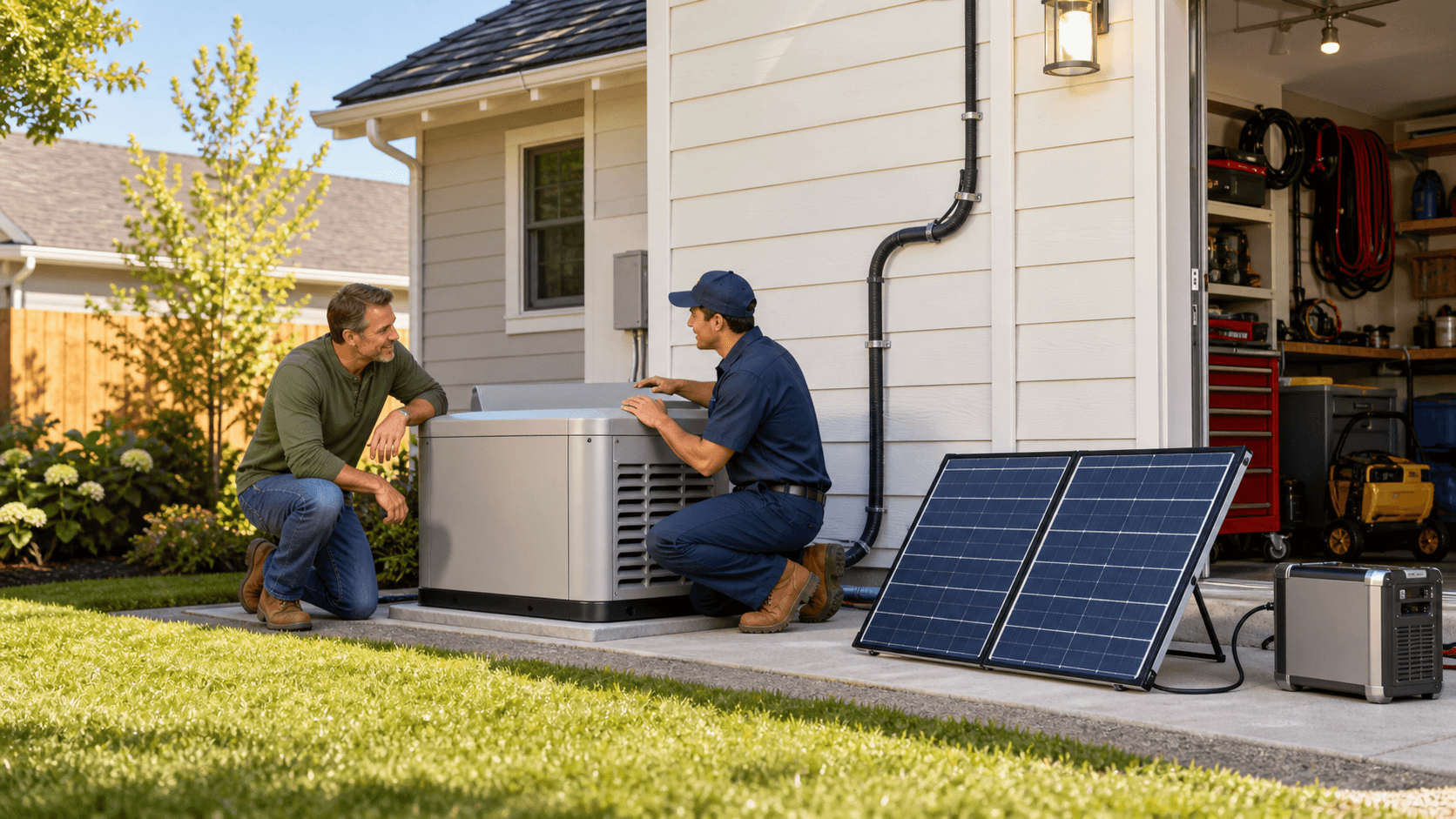
For a cleaner setup, many people use a transfer switch, inlet box, or panel interlock. These let the generator power select circuits directly through your main panel in a safer, code-friendly way. A licensed electrician should always handle this kind of work.
When a storm knocks power out, a simple checklist helps:
- Roll the generator or power station out from its storage spot
- Place fuel units outside on stable ground with clear airflow
- Plug in your cords or connect to the transfer switch as trained
- Start the unit and let it warm up before adding heavy loads
- Shut it down and let it cool fully before adding more fuel
Between storms, a little care keeps your backup ready. Start fuel generators regularly, use fuel stabilizer as recommended, and keep oil and filters fresh. For power stations, keep the battery topped up and run short practice drills before peak storm months so everyone knows what to do.
Smart Backup Power Strategies for Homes and Small Businesses
A smart plan for backup power for outages often layers several tools instead of relying on just one. For many homes, that means a primary portable generator paired with a battery power station. The generator handles heavy loads during the day. At night, the battery unit can run basics like Wi‑Fi, phones, lights, and maybe a small fan, all quietly and without fumes. Solar panels, where they fit, can give those batteries a daily refill.
Home needs often center on comfort and safety: keeping food cold, preventing water damage, keeping air moving, and supporting medical devices. Small businesses tend to care most about staying open and secure: card readers and registers, coolers, lights, cameras, and maybe a small server or modem.
Here are a few common setups people use:
- A compact inverter generator for apartments or condos where noise matters
- A mid-sized dual-fuel portable unit tied to a manual transfer switch for single-family homes
- Solar and battery kits for cabins, tiny homes, or remote work spaces where the grid is weak or absent
Using efficient appliances can make a huge difference. DC fridges, high-efficiency fans, and LED lighting pull far fewer watts than older gear. At Generator Vault, we pay close attention to these off-grid-friendly options, because they let you run what you need on a smaller, simpler backup system.
Get Storm-Ready Now with a Personalized Backup Plan
Storm season tends to sneak up fast. Once a big system is on the radar, everyone starts thinking about generators and backup power at the same time. Stores empty out, and electricians get booked up quickly. Planning ahead, while the sky is still clear, gives you better choices and more time to set things up the right way.
A quick framework can help you get moving. First, define your critical loads and write them down. Second, pick your preferred fuel source and think about noise levels that will work where you live. Third, decide where your unit will stay and exactly where it will run outside. Finally, set a budget that covers both equipment and any installation work you will need.
At Generator Vault, our focus is on curated generators, solar power kits, power stations, batteries, and off-grid appliances that actually make sense for real homes and small businesses. Once your system is in place, run a full power rehearsal within a week. Turn off the main breaker, fire up your backup, and walk through your checklist. When the next storm takes out the grid, you will not be scrambling in the dark, you will already know exactly what to do.
Secure Reliable Backup Power Before The Next Outage Hits
If you want peace of mind the next time the grid goes down, our team at Generator Vault is ready to help you get the right solution in place. Explore our backup power for outages option to keep essential devices running and your home comfortable. If you have questions or need guidance on sizing or setup, simply contact us and we will walk you through your best options.